
The Benefits of Installing a Solar Energy System for Your Home
2024-01-07 09:21
Table of Contents:
1. Introduction to Solar Energy Systems
2. Environmental Benefits of Solar Energy
3. Cost Savings with Solar Energy
4. Energy Independence and Security
5. Incentives and Tax Benefits for Solar Energy Systems
6. Increased Property Value with Solar Energy
7. Low Maintenance and Long Lifespan of Solar Panels
8. FAQs about Solar Energy Systems
9. Conclusion
Introduction to Solar Energy Systems
Solar energy systems harness the power of the sun to generate electricity for residential use. By installing solar panels on the roof of your home, you can take advantage of clean and renewable energy while reducing your reliance on traditional power sources.
Environmental Benefits of Solar Energy
Solar energy is a renewable and sustainable source of power, and using it in your home can significantly reduce your carbon footprint. By opting for solar energy, you contribute to mitigating climate change and reducing air and water pollution. Additionally, solar energy systems produce zero greenhouse gas emissions during operation.
Cost Savings with Solar Energy
One of the major benefits of installing a solar energy system is the potential for significant cost savings. By generating your own electricity, you can reduce or even eliminate your monthly electricity bills. Over time, the savings can add up, providing a substantial return on investment. Furthermore, many regions offer net metering programs, allowing you to earn credits for excess solar power produced.
Energy Independence and Security
Relying on solar energy helps you achieve greater energy independence. Unlike traditional power sources, solar energy systems are not subject to price fluctuations or supply disruptions. By generating your own electricity, you are less vulnerable to power outages and the rising costs of fossil fuels.
Incentives and Tax Benefits for Solar Energy Systems
Installing a solar energy system can be financially advantageous due to various incentives and tax benefits available. In many countries, there are government programs that offer grants, rebates, or subsidies to encourage the adoption of renewable energy. Additionally, homeowners may be eligible for tax credits or exemptions, providing further financial incentives for going solar.
Increased Property Value with Solar Energy
A solar energy system can increase the value of your property. Many homebuyers are increasingly interested in homes equipped with solar panels due to their eco-friendly and cost-saving features. Studies have shown that homes with solar energy systems sell faster and at higher prices compared to properties without solar installations.
Low Maintenance and Long Lifespan of Solar Panels
Solar panels are designed to be durable and require minimal maintenance. Typically, they come with warranties ranging from 20 to 25 years, ensuring long-term reliability. Regular cleaning and occasional inspections are usually sufficient to keep the panels operating efficiently. With proper care, solar panels can last for several decades, providing clean energy throughout their lifespan.
FAQs about Solar Energy Systems
1. How do solar panels work?
2. Can solar panels work during cloudy days?
3. What is net metering?
4. Are there any disadvantages to installing a solar energy system?
5. How much does a solar energy system cost?
Conclusion
Installing a solar energy system in your home offers numerous benefits, including environmental sustainability, cost savings, energy independence, and increased property value. With various incentives and tax benefits available, going solar has become an attractive option for homeowners worldwide. Embrace the power of solar energy and contribute to a greener and more sustainable future for generations to come.
1. Introduction to Solar Energy Systems
2. Environmental Benefits of Solar Energy
3. Cost Savings with Solar Energy
4. Energy Independence and Security
5. Incentives and Tax Benefits for Solar Energy Systems
6. Increased Property Value with Solar Energy
7. Low Maintenance and Long Lifespan of Solar Panels
8. FAQs about Solar Energy Systems
9. Conclusion
Introduction to Solar Energy Systems
Solar energy systems harness the power of the sun to generate electricity for residential use. By installing solar panels on the roof of your home, you can take advantage of clean and renewable energy while reducing your reliance on traditional power sources.
Environmental Benefits of Solar Energy
Solar energy is a renewable and sustainable source of power, and using it in your home can significantly reduce your carbon footprint. By opting for solar energy, you contribute to mitigating climate change and reducing air and water pollution. Additionally, solar energy systems produce zero greenhouse gas emissions during operation.
Cost Savings with Solar Energy
One of the major benefits of installing a solar energy system is the potential for significant cost savings. By generating your own electricity, you can reduce or even eliminate your monthly electricity bills. Over time, the savings can add up, providing a substantial return on investment. Furthermore, many regions offer net metering programs, allowing you to earn credits for excess solar power produced.
Energy Independence and Security
Relying on solar energy helps you achieve greater energy independence. Unlike traditional power sources, solar energy systems are not subject to price fluctuations or supply disruptions. By generating your own electricity, you are less vulnerable to power outages and the rising costs of fossil fuels.
Incentives and Tax Benefits for Solar Energy Systems
Installing a solar energy system can be financially advantageous due to various incentives and tax benefits available. In many countries, there are government programs that offer grants, rebates, or subsidies to encourage the adoption of renewable energy. Additionally, homeowners may be eligible for tax credits or exemptions, providing further financial incentives for going solar.
Increased Property Value with Solar Energy
A solar energy system can increase the value of your property. Many homebuyers are increasingly interested in homes equipped with solar panels due to their eco-friendly and cost-saving features. Studies have shown that homes with solar energy systems sell faster and at higher prices compared to properties without solar installations.
Low Maintenance and Long Lifespan of Solar Panels
Solar panels are designed to be durable and require minimal maintenance. Typically, they come with warranties ranging from 20 to 25 years, ensuring long-term reliability. Regular cleaning and occasional inspections are usually sufficient to keep the panels operating efficiently. With proper care, solar panels can last for several decades, providing clean energy throughout their lifespan.
FAQs about Solar Energy Systems
1. How do solar panels work?
2. Can solar panels work during cloudy days?
3. What is net metering?
4. Are there any disadvantages to installing a solar energy system?
5. How much does a solar energy system cost?
Conclusion
Installing a solar energy system in your home offers numerous benefits, including environmental sustainability, cost savings, energy independence, and increased property value. With various incentives and tax benefits available, going solar has become an attractive option for homeowners worldwide. Embrace the power of solar energy and contribute to a greener and more sustainable future for generations to come.
MORE BLOG
Contact us
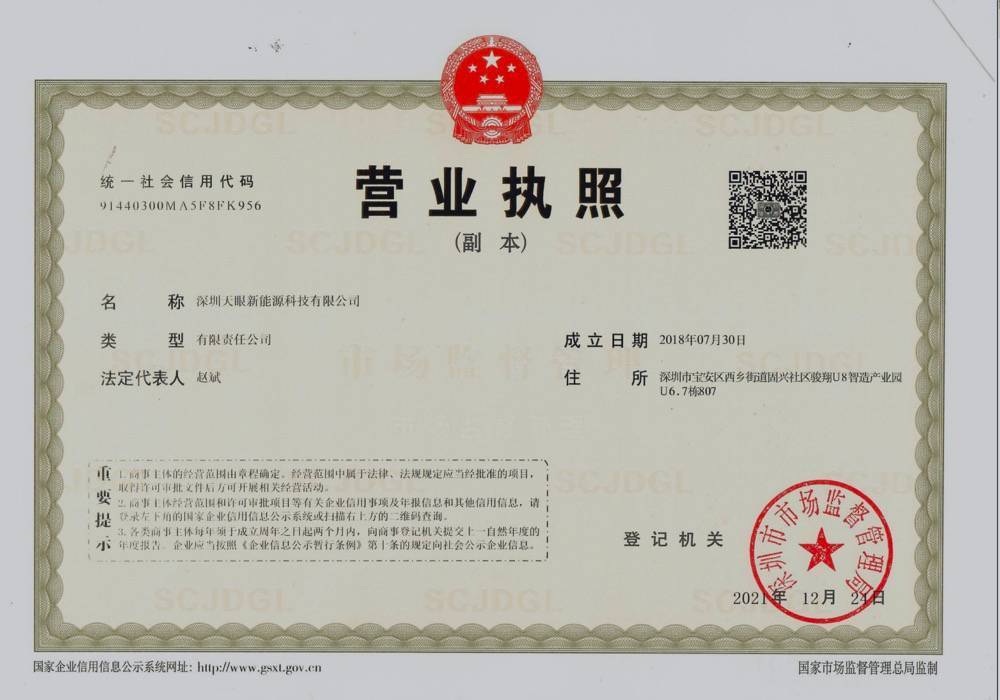
Shenzhen Eyesky New Energy Technology Co.,Ltd
Contact person:Vicky Ho
E-mail: vicky@tianyankj.com
whatsapp&Mobile: 86-13691890623
Address:7th F, U5 BLD,U8 Industrial Park. Hangcheng Street,Bao'an District, Shenzhen, China, 518126
Tele: 86-755-2300 1761